
The NMI Natural and Medical Sciences Institute at the University of Tübingen is a non-profit research institute based in Reutlingen, Germany. We conduct application-oriented research at the interface of life sciences and materials science and translate new ideas into practical solutions for healthcare and industry. Together with companies and public research organizations, we develop innovative diagnostics, therapies, medical products and advanced materials. Our services range from contract research, consulting and technology assessment to support with funding applications, project coordination and accredited testing, making NMI a reliable bridge between academic research and real-world applications.
In PHOENIX, NMI provides advanced microelectrode sensor chips and human induced pluripotent stem cell–based disease models that form the basis of the project’s heart and neuromuscular organ-on-chip platforms. NMI also develops upgraded satellite products, including gene-edited cell lines for commercialization, and supports partners with expertise in recording and interpreting electrical and contractile activity of the miniaturised tissues. Finally, NMI leads the industrial qualification of the high-throughput PHOENIX platforms, validating them as reliable tools for drug safety testing and for evaluating new therapies for laminopathies and Friedreich’s ataxia in collaboration with clinical and industrial partners.
Main contributions and activities:


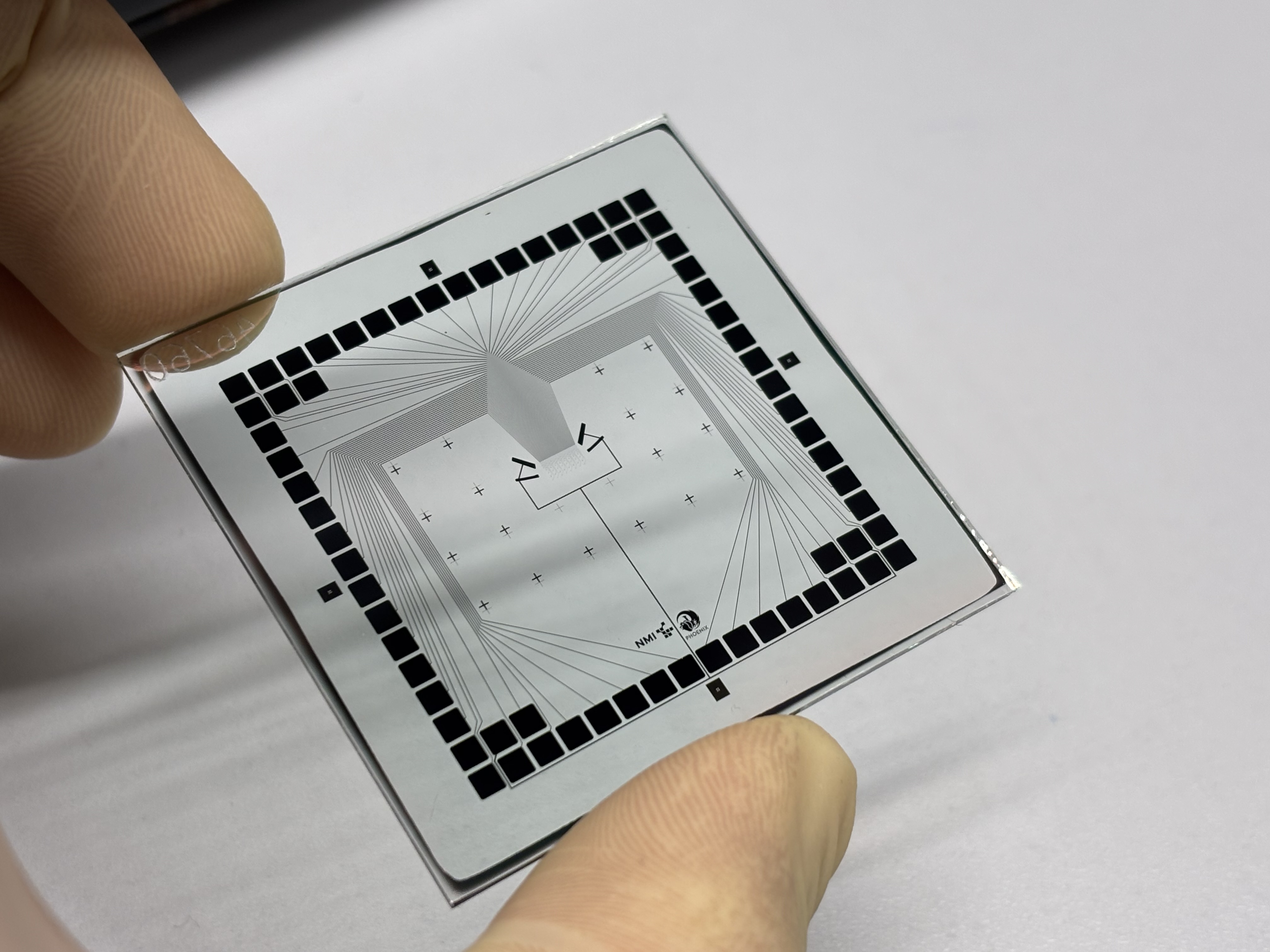
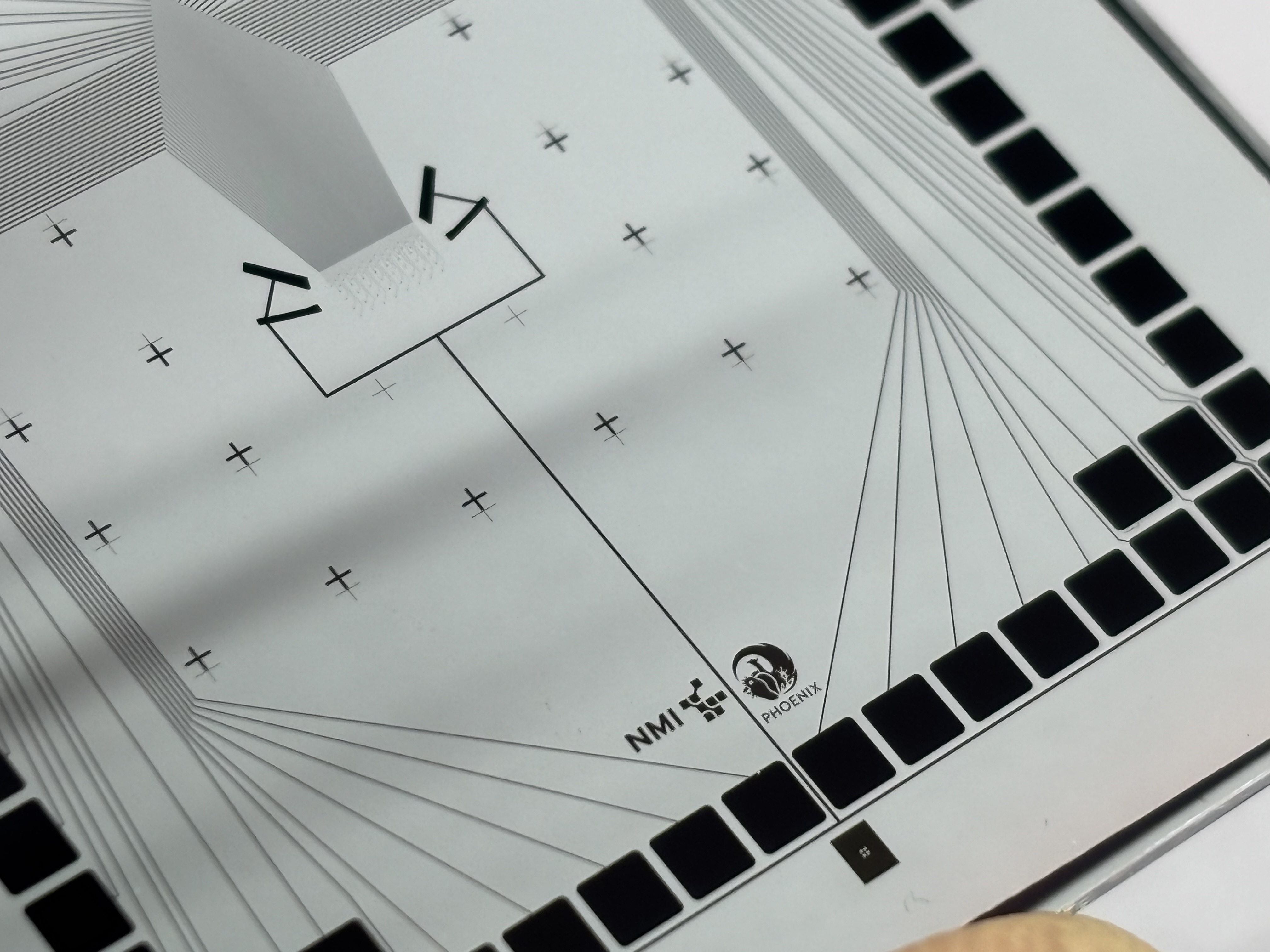
Dr. Peter Jones – Microelectrode sensor chip development
Dr. Udo Kraushaar – Cardiac electrophysiology, assay development
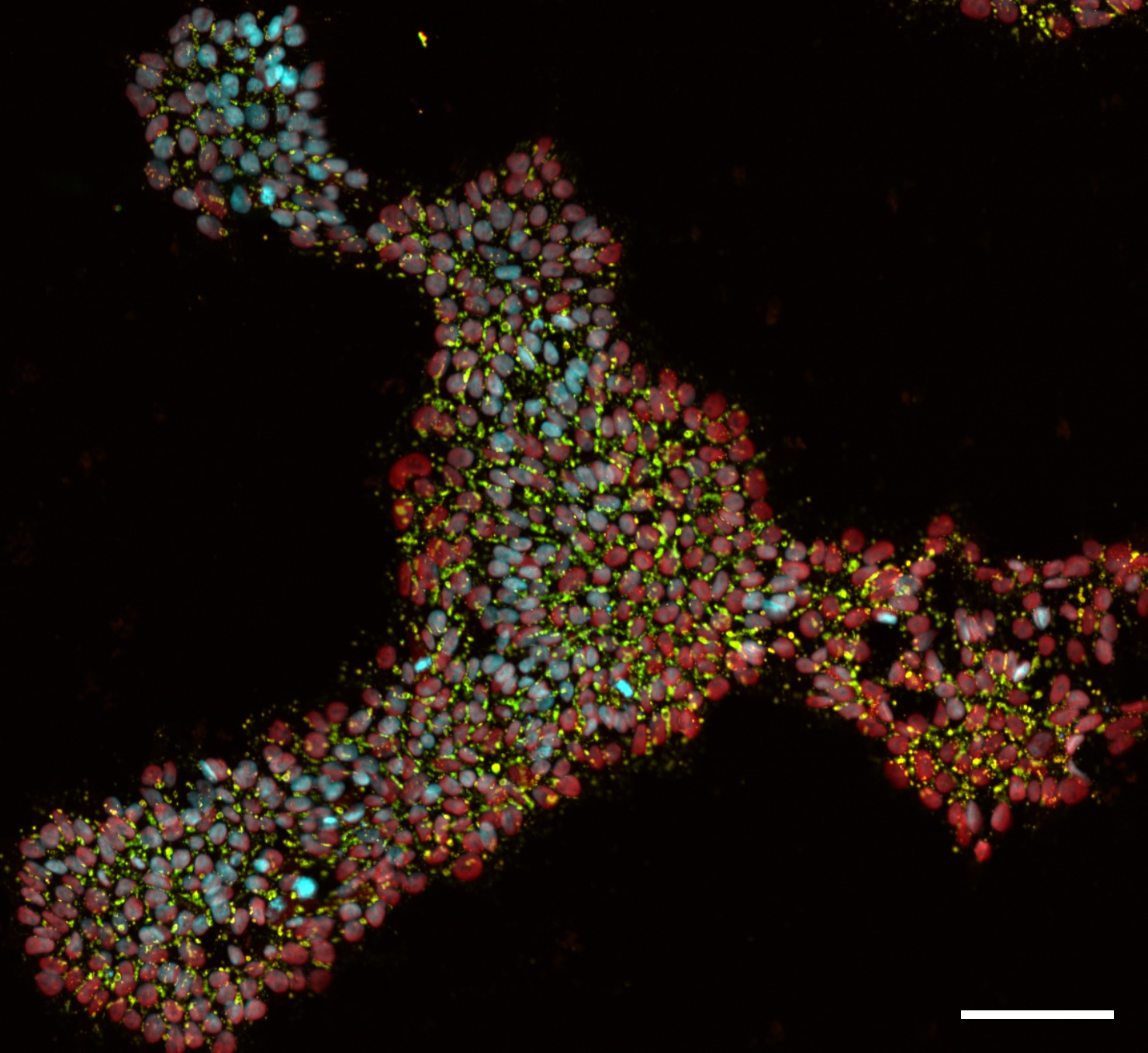
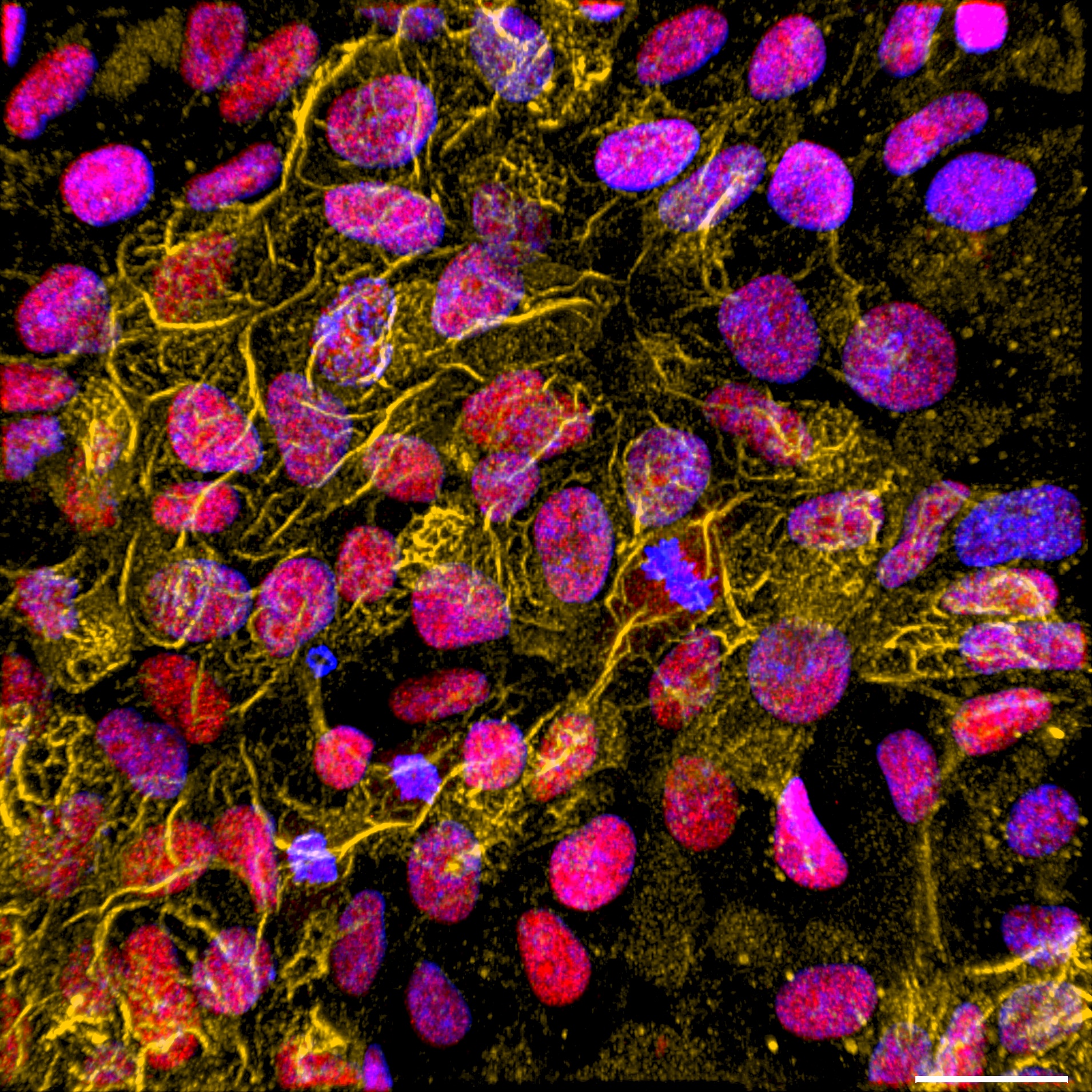
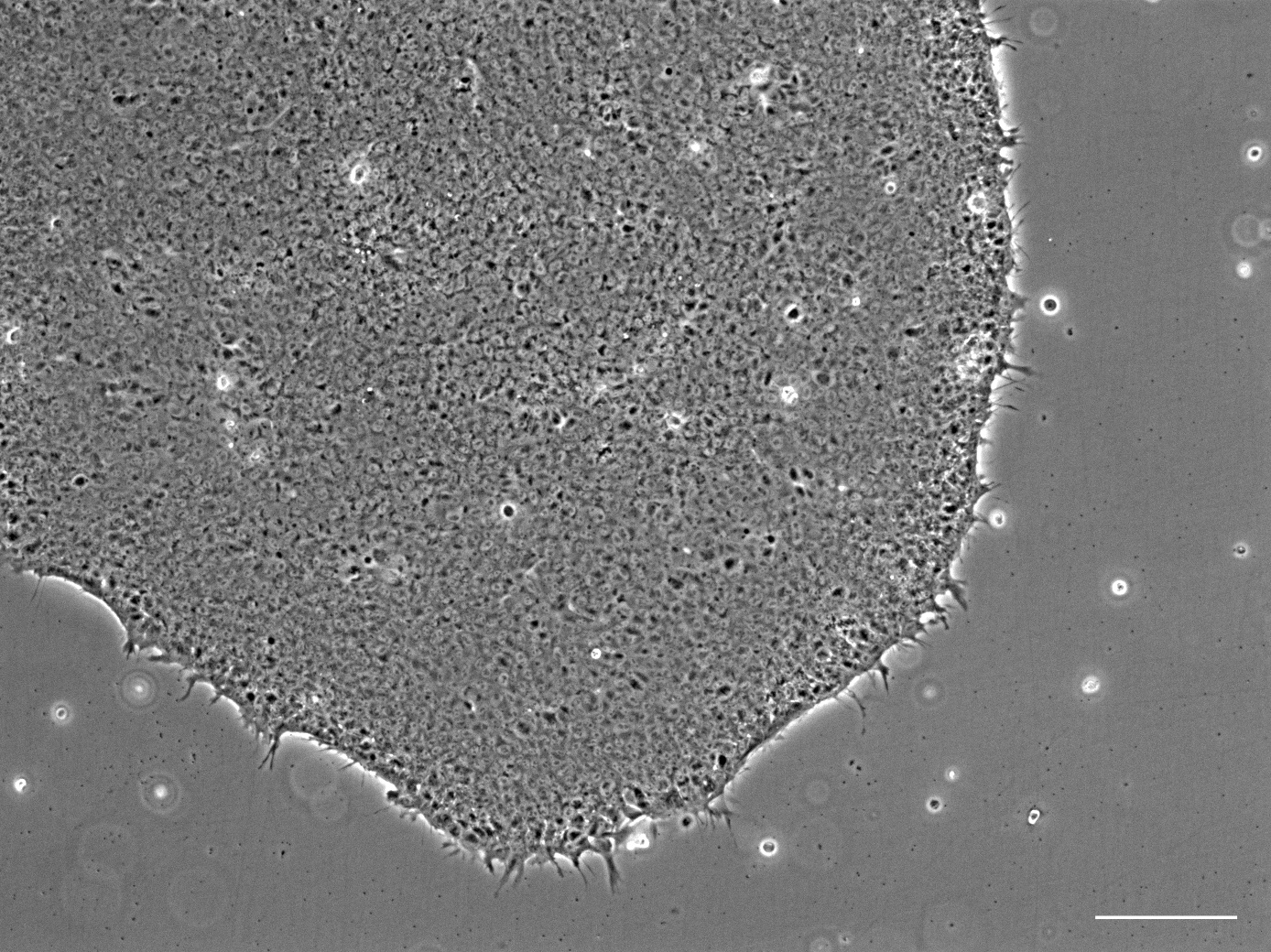
Dr. Martin Kriebel – Generation of hiPSC derived disease model cell lines