

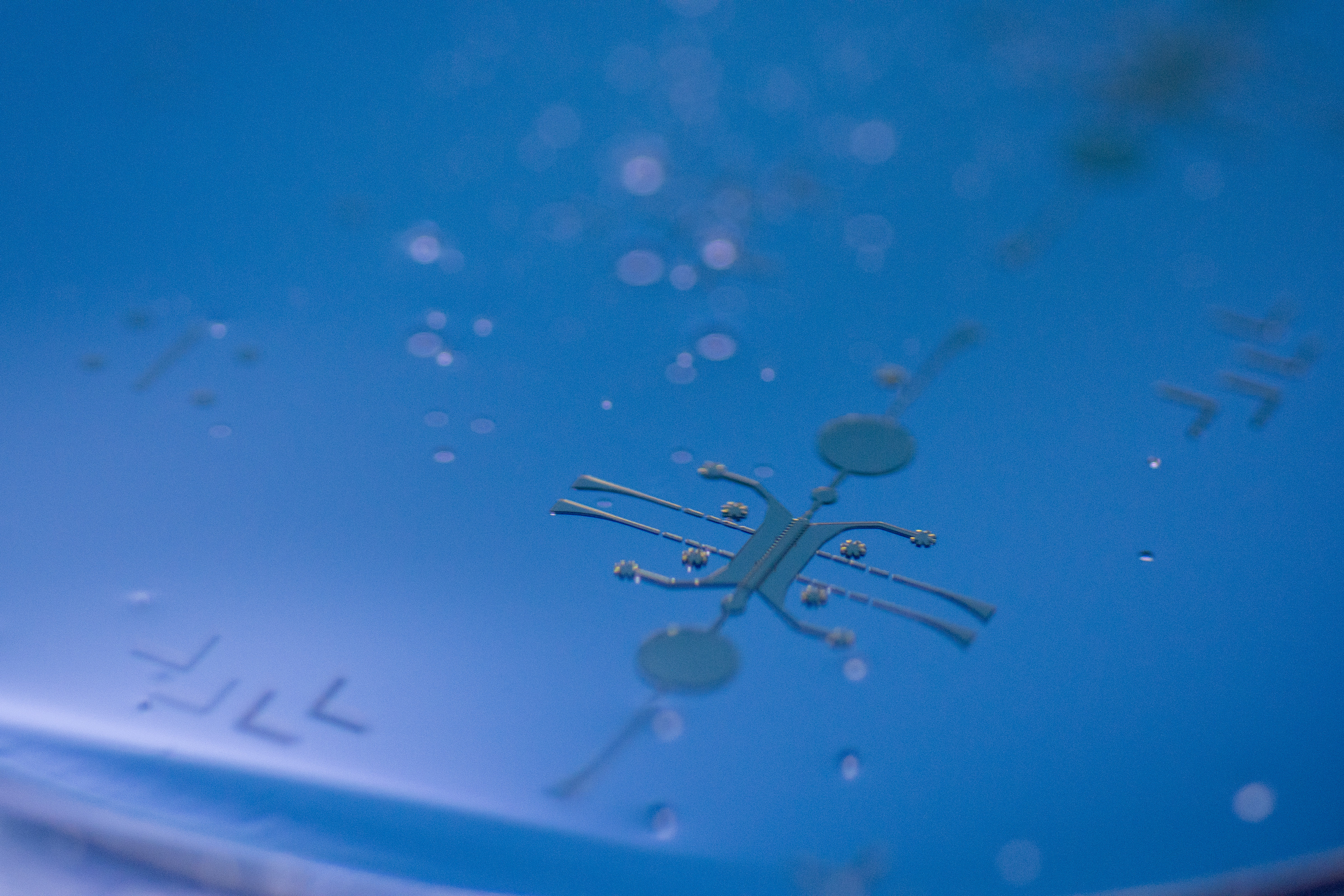
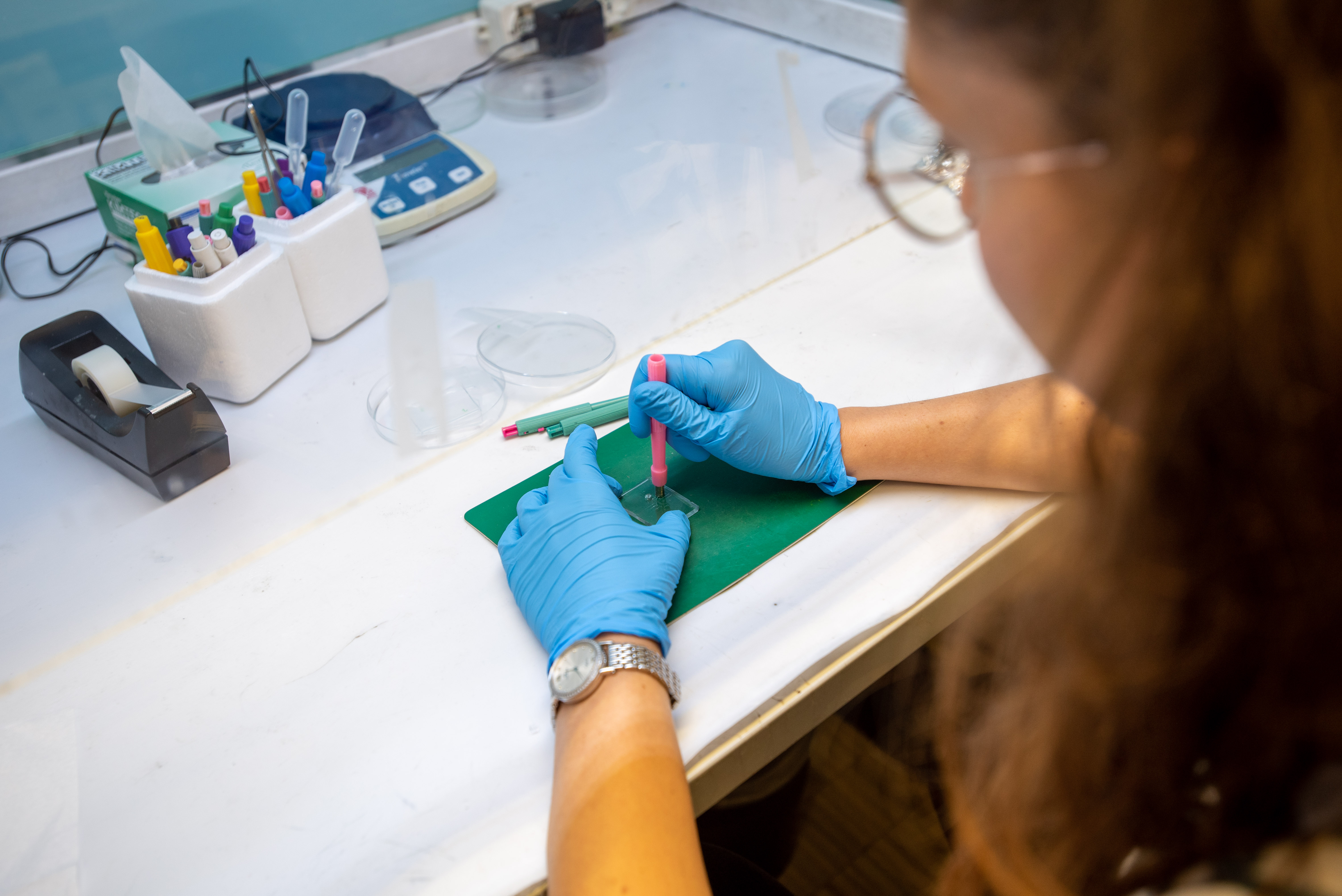
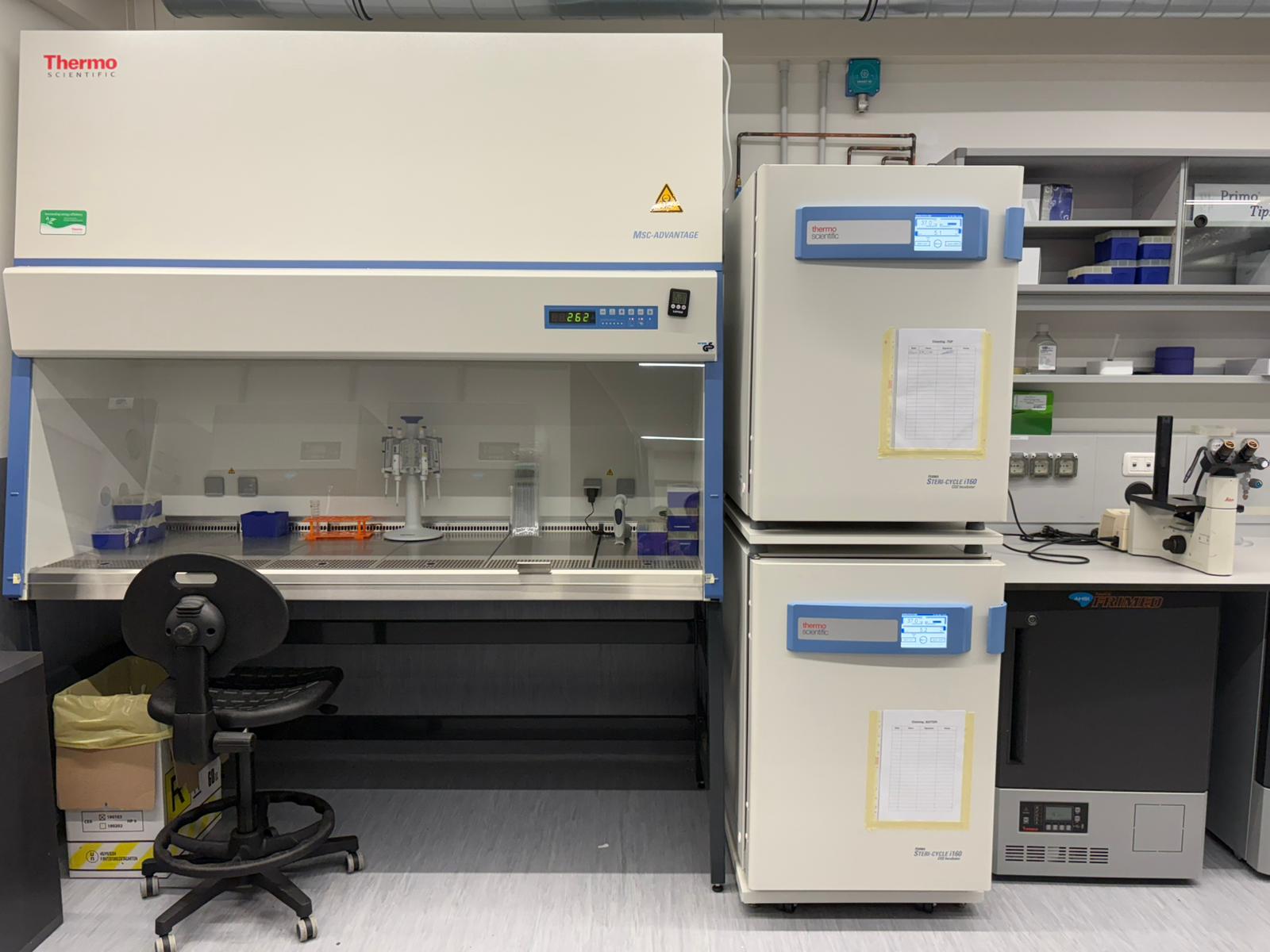
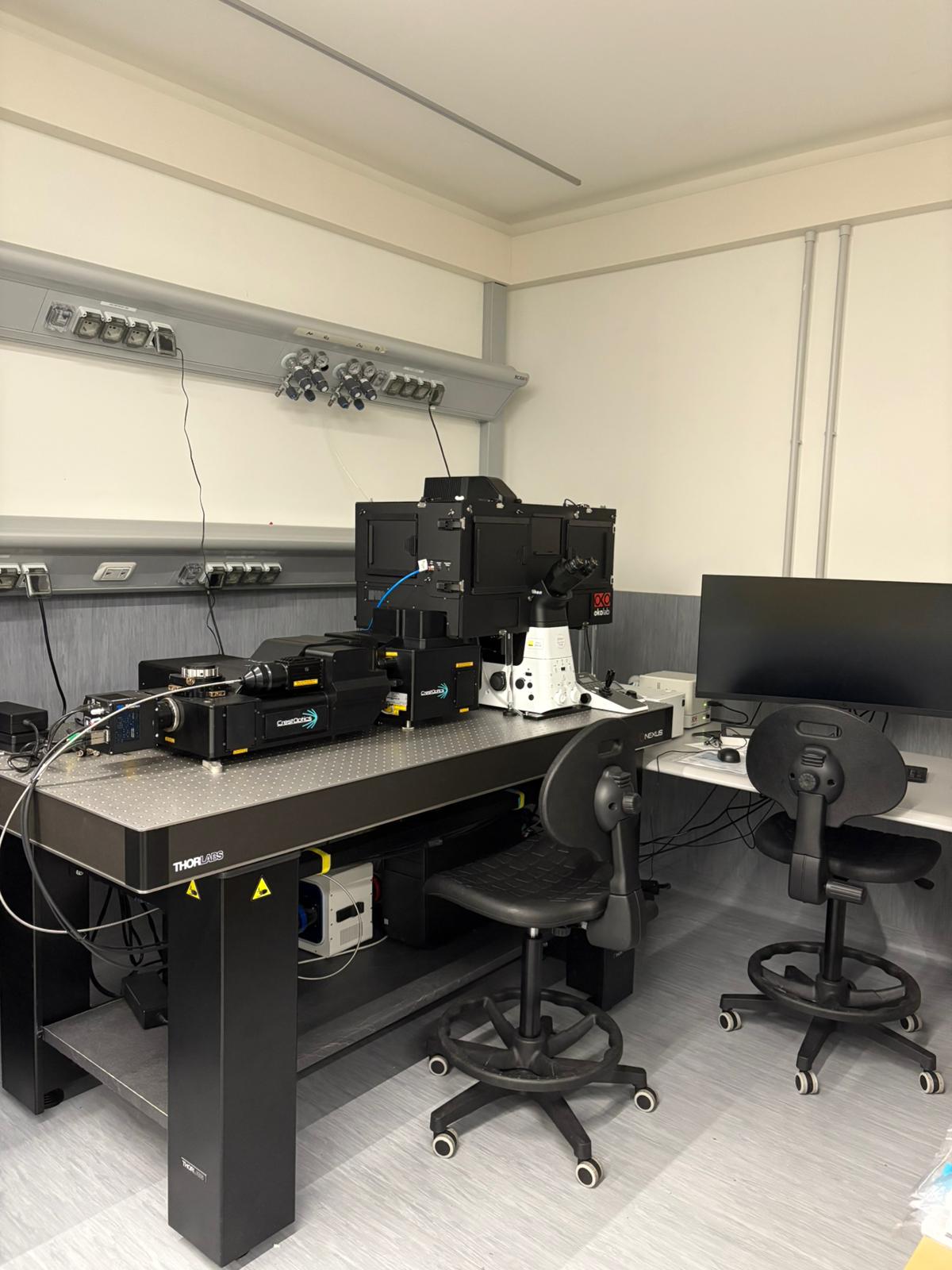
Politecnico di Milano (POLIMI) is a leading scientific-technological university in Italy, dedicated to training engineers, architects, and industrial designers. The university is a European pioneer in the field of Organ-on-Chip (OoC) development, fostering innovation through the Department of Electronics, Information and Bioengineering. All microfabrication and advanced biology activities are conducted at the MiMic (Microfluidics and biomimetic Microsystems) Lab. Furthermore, POLIMI has access to PoliFab, the flagship micro- and nano-fabrication facility of the university.
As the project coordinator for PHOENIX, POLIMI leverages its world-class infrastructure and long-standing experience in European research to lead the development of disruptive human-based in vitro technologies.
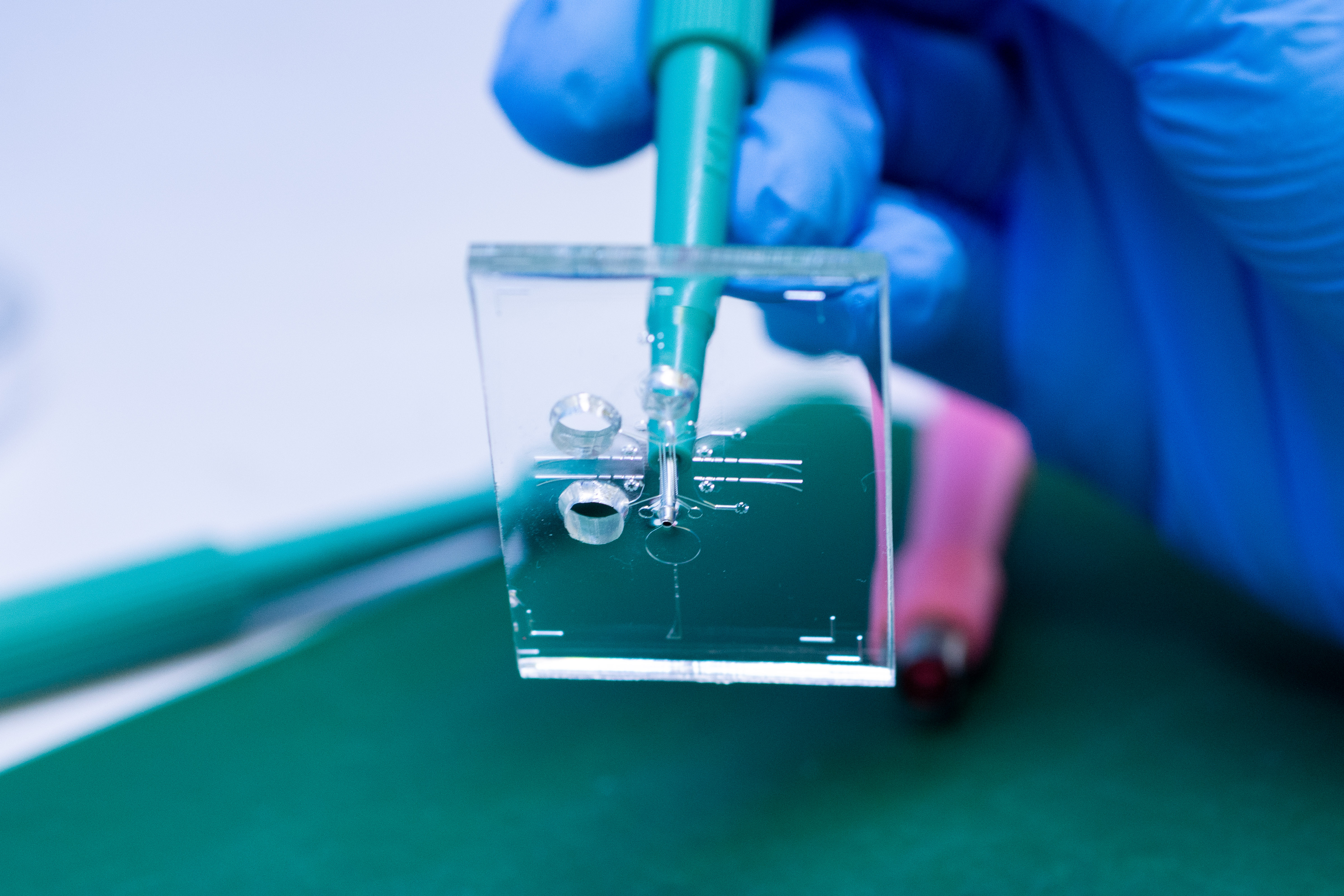
POLIMI serves as the Project Coordinator for PHOENIX, managing the multidisciplinary consortium and ensuring the successful integration of all core technologies. Utilizing the advanced capabilities of the MiMic Lab and PoliFab facility, the university provides the foundational 3dMECH technology (uBeat®), an innovative mechanical actuator that enhances the maturation of 3D microtissues.
POLIMI is responsible for the design and technical validation of the neuromuscular circuitry platform (µNMC) and leads the development of the “Flow Controller”, a high-throughput satellite product for automated industrial screening. By coordinating technical and management efforts, POLIMI ensures the project moves from initial prototypes to industrially relevant human-based models.


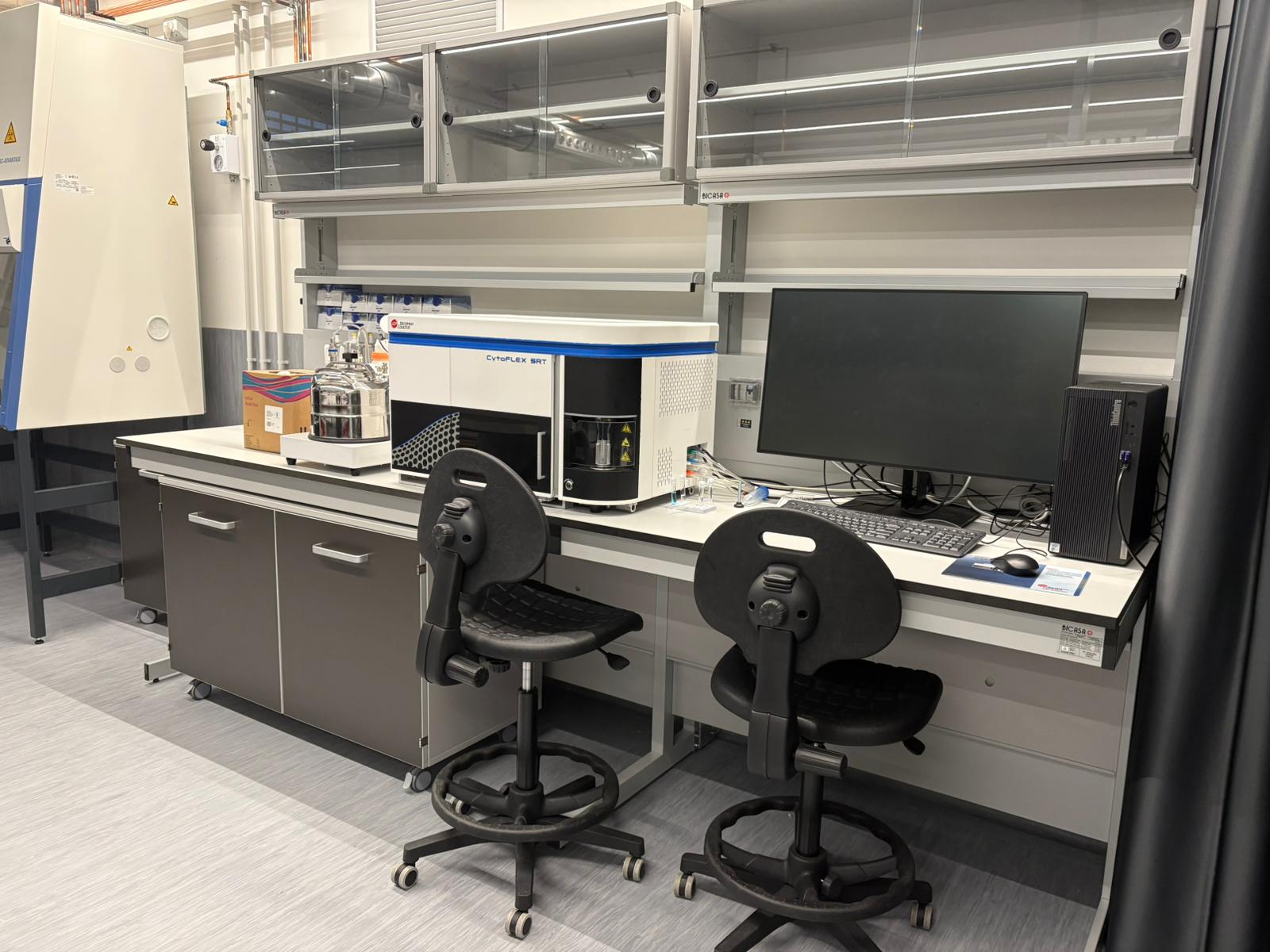
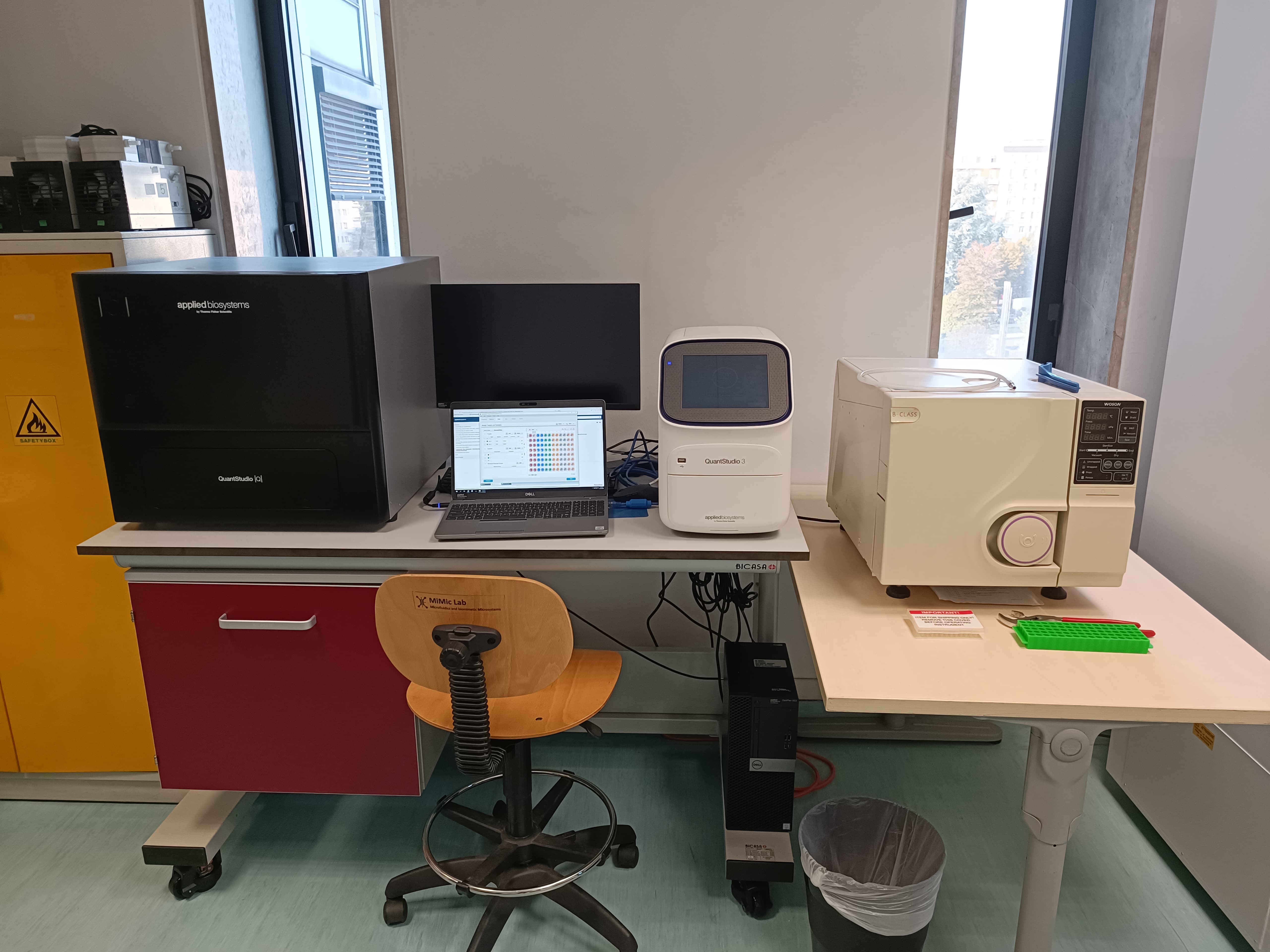
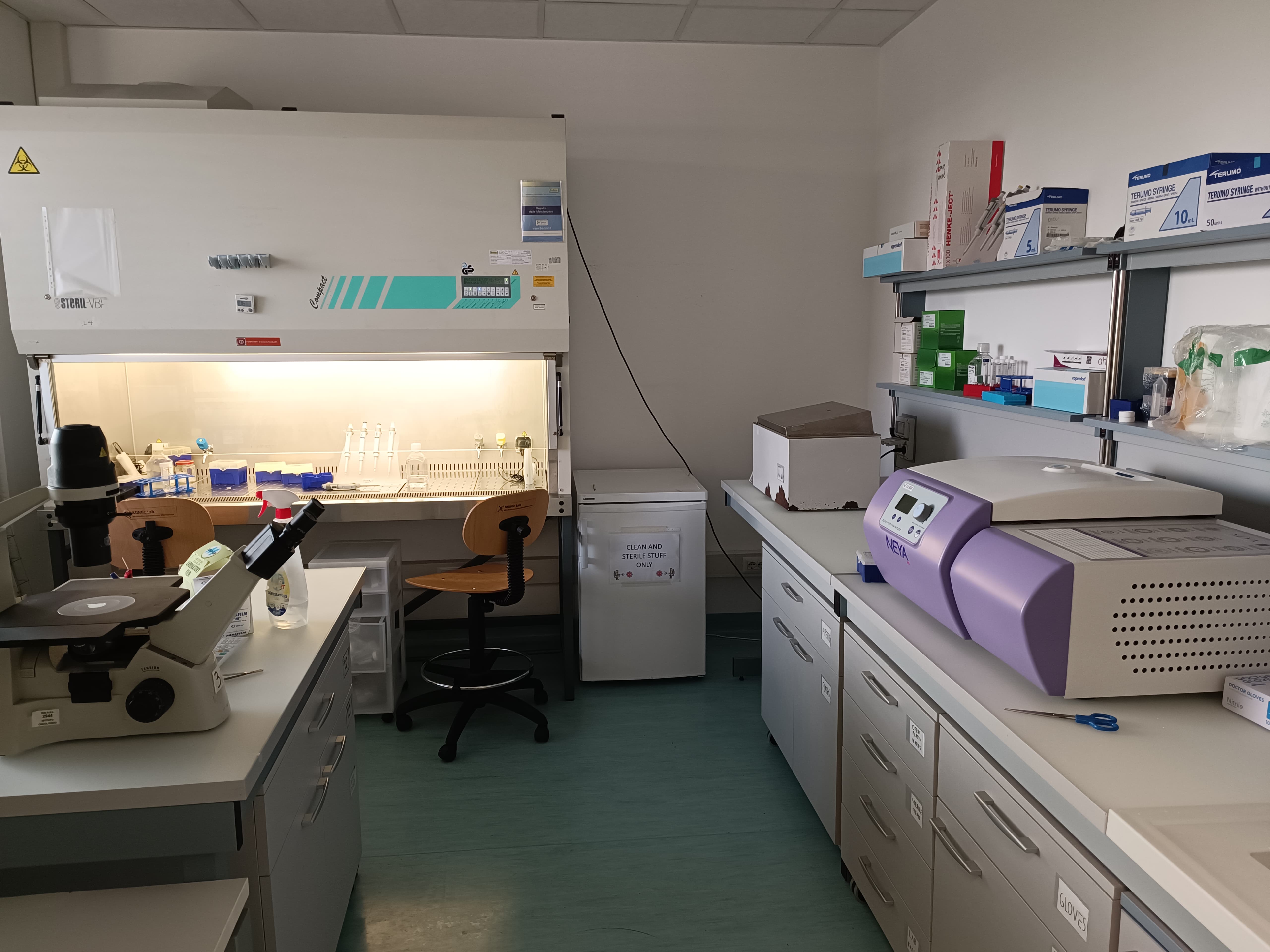
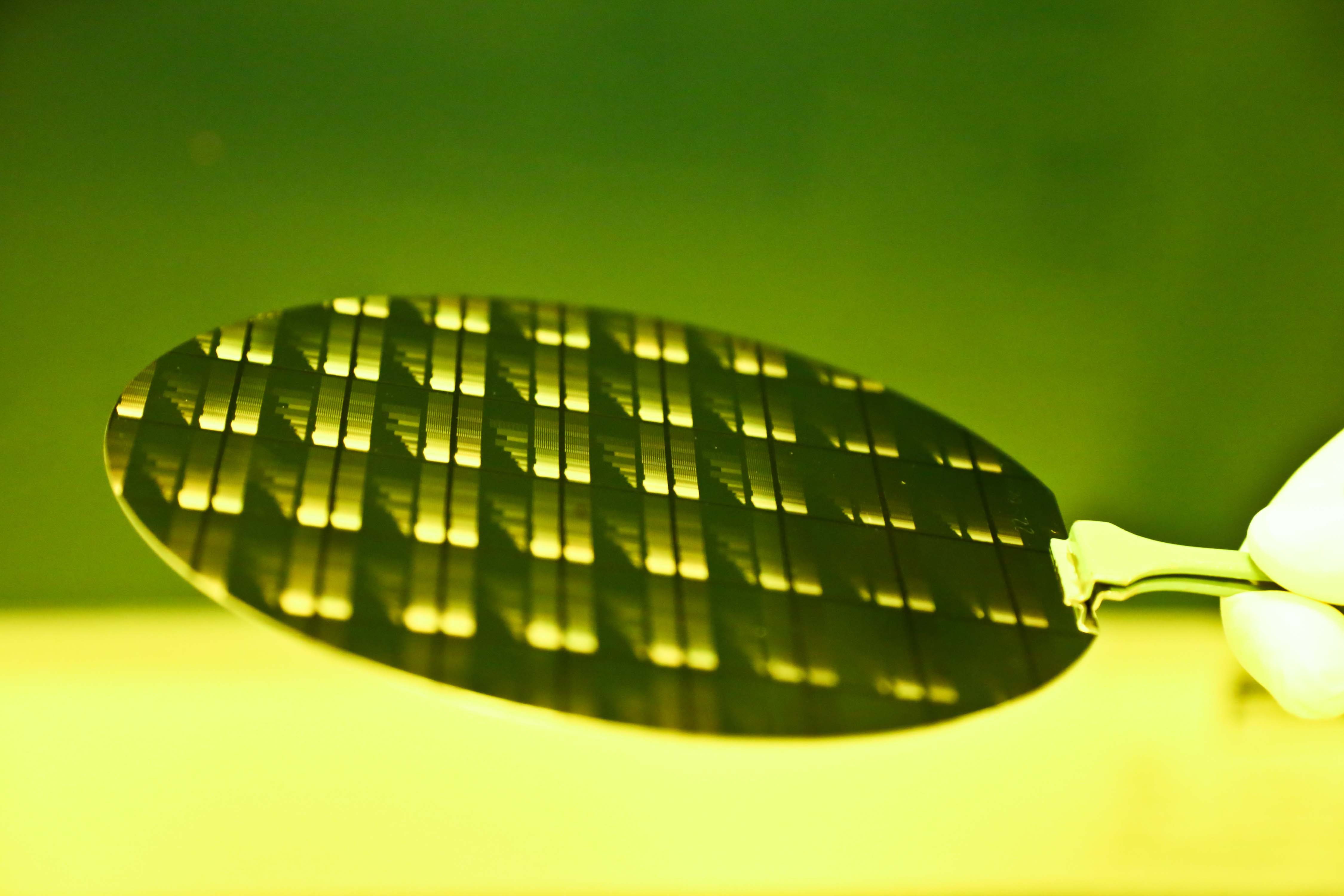
Prof. Marco Rasponi – Principal Investigator & Project Coordinator
Department of Electronics, Information and Bioengineering
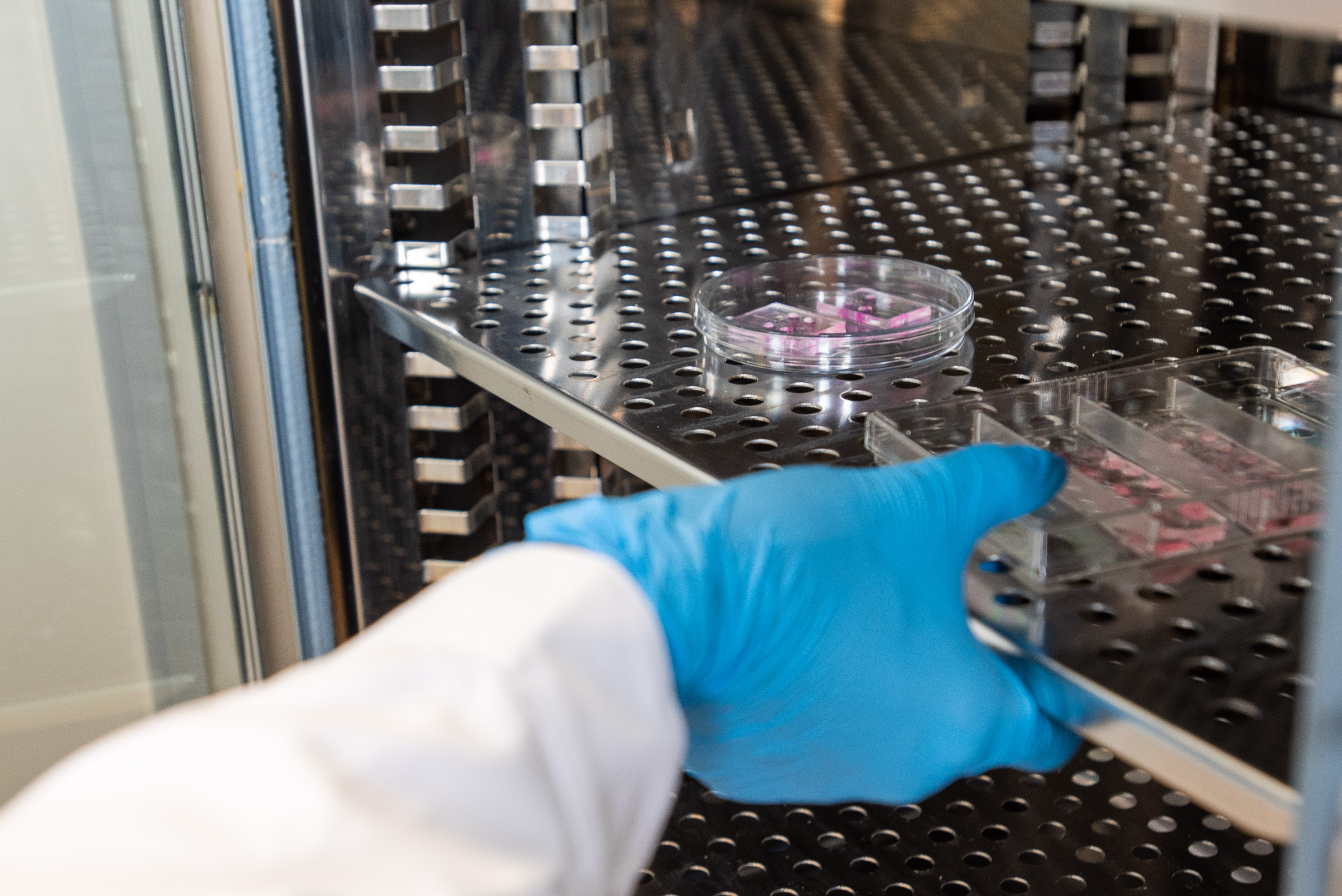
MiMic Lab (Microfluidics and biomimetic Microsystems Laboratory)

POLIMI-META represents the Social Sciences and Humanities dimension of Politecnico di Milano within the PHOENIX project. This specialized unit brings critical perspectives on the ethical, social, and regulatory implications of advanced organ-on-chip technologies.
POLIMI-META focuses on the societal impact assessment and stakeholder engagement aspects of the PHOENIX project. The unit ensures that the development of human-based in vitro models aligns with ethical standards and addresses regulatory requirements, while also facilitating dialogue with relevant stakeholders including patients, clinicians, and policymakers.
Dr. Stefano Canali – Social Sciences & Humanities Lead
Department of Electronics, Information and Bioengineering
Politecnico di Milano